Workshop Faculty
Meet the Instructors
Four teachers bringing decades of experience in Greek folk dance and music from across Greece and the diaspora.
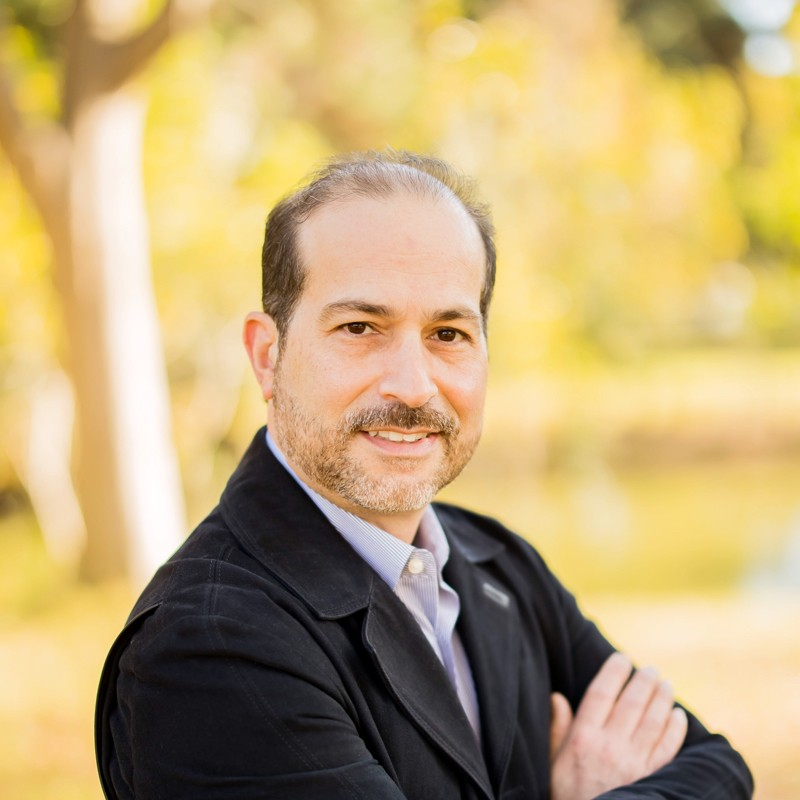
Vasili Contos
Ikaria
An Aegean island where the dances run long into the night. Ikariotikos is driving and joyful — a chain that pulls you in by the elbow and sets the tempo of village life.
Full bio coming soon.
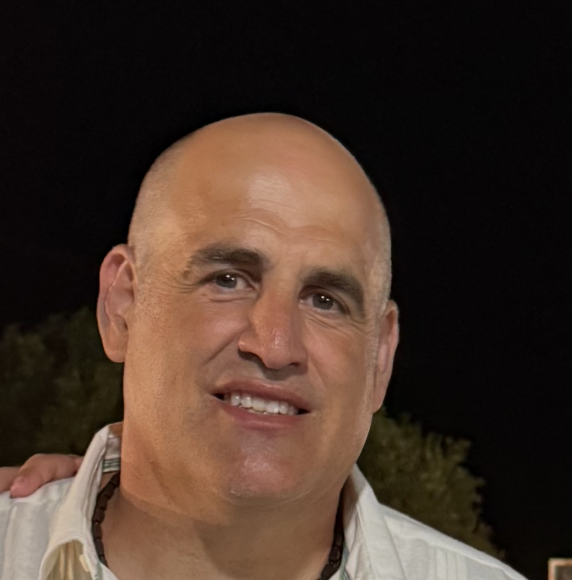
Konstantine Avdalas
Epiros
From the mountains of northwest Greece, Epirot dance carries weight and dignity. Slow, deliberate, and deeply communal — it is grief and celebration in the same breath.
Konstantine "Dean" Avdalas has been dancing and directing at FDF for 37 years. His passion and love for Greek culture has grown over this time leading him to develop exemplary skills as dancer, director, choreographer, and researcher. His main areas of research and interest include Epiros, Sarakatsan villages, and Megalo Monastiri (refugees residing in Neo Monastiri, Domokou, Thessalia). Specifically, he has presented groundbreaking work with the Albanian border villages of Northern Epiros and the customs of the Dodekaimerou in Neo Monastiri. He served as judge at the HDF in the Metropolis of Atlanta since 2011 and at the FDF in the Metropolis of San Francisco (2013).
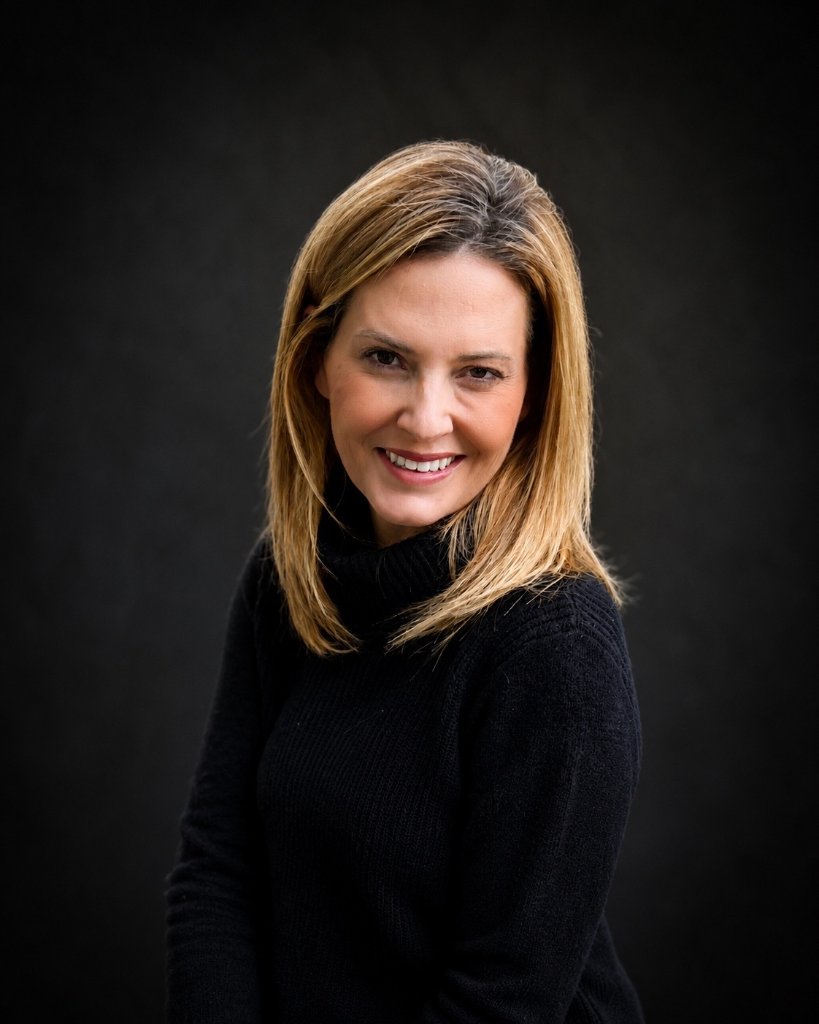
Sofia Efstratiou-Nicolaou
Florina
The dances of Florina move with a playful, swaying energy rooted in Macedonia. Sofia brings the village circle to life with precision and warmth.
Sofia Efstratiou has been dedicated to Greek dance since childhood and has directed multiple dance troupes over her 25+ year career. She began as both a dancer and director at St. Nicholas Parish in San Jose, California, where she continues to mentor and advise dance directors. Sofia spent many years living in Greece, immersing herself in the study of Greek dance and culture. She attended numerous cultural gatherings and seminars across the country and performed with the Lyngistes Dance Troupe in Athens and Florina. Her time in Greece enabled her to conduct in-depth research across a wide range of regions and villages, including Western and Eastern Macedonia, Epirus, Thessaly, the Peloponnese, and various islands—deepening her understanding of regional styles, traditions, and musical influences. She has conducted extensive study on the dance, music, customs, traditions, and dress of many regions of Greece, with a particular focus on Western Macedonia and the Florina region. Her published article, "A Journey Through Agios Germanos," highlights her exploration of the Florina highlands through culture, dance, and traditional dress. Through her continued research and teaching, Sofia remains committed to preserving and sharing the richness of Greek heritage through dance in the United States. One of the greatest lessons her research has taught her is humility. The deeper she explores these traditions, the more she realizes how much there is still to learn. Every village, family, and celebration reveals new layers of history and meaning—fueling her continued passion for learning, teaching, and preserving Greek culture. She remains a lifelong student of these traditions, inspired by the endless journey of discovery.
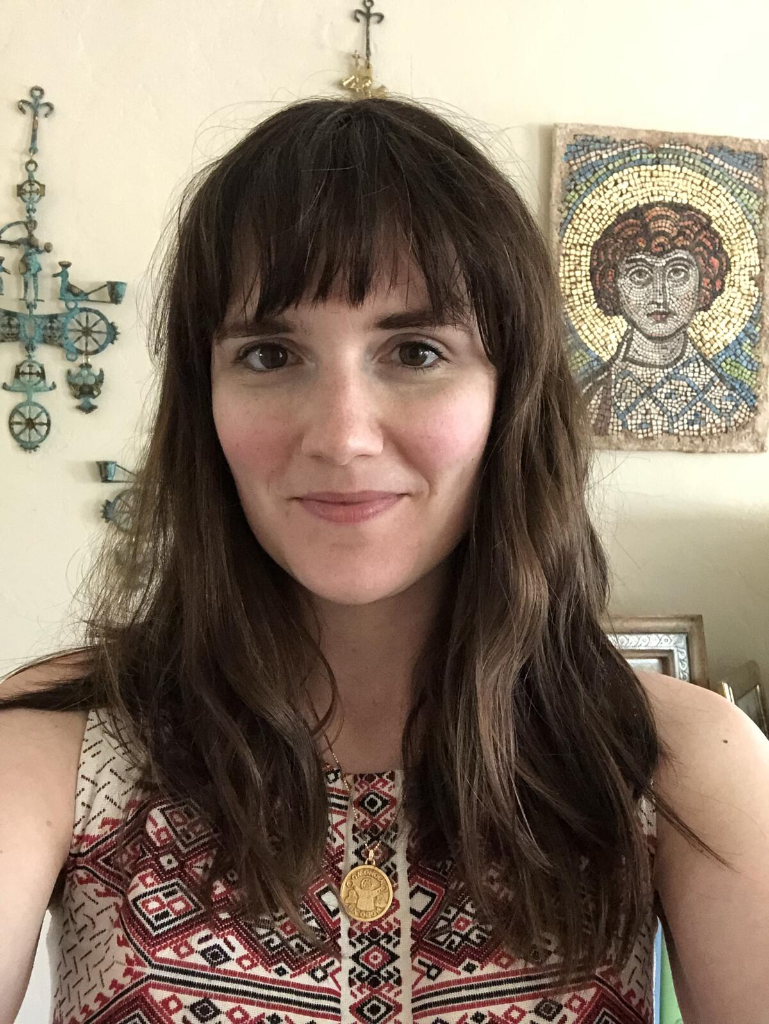
Presv. Anysia Metrakos, PhD
Folk Singing
Greek folk song is the living archive of a people. Anysia guides participants into the melodic modes, ornamentation, and communal voice of the tradition.
Presv. Anysia is a historian of the Late Antique and Byzantine worlds whose research explores piety, asceticism, and the lives of holy women in the early Christian East. Her scholarship on the Greek vita of Matrona of Perge and the reception of classical texts in Byzantium is grounded in years of archaeological fieldwork and travel throughout Greece, Turkey, and the Near East, from excavations in Macedonia to surveys of Byzantine churches in Cappadocia. Alongside her academic work, she is a devoted student and practitioner of Greek folk culture. At this year’s symposium she will teach folk song and vocal styling, drawing together the living voice of the tradition with the deep historical world from which it springs.